
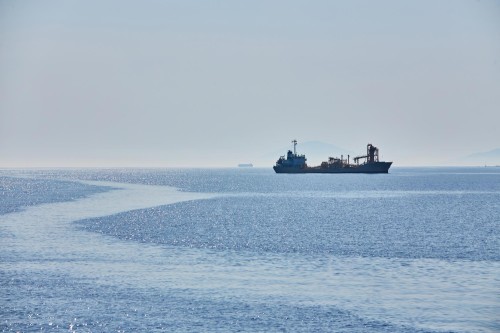
A Russian tanker named Universal, laden with approximately 270,000 barrels of diesel fuel, has rerouted towards Brazil after failing to reach its initial destination, Cuba. The vessel, which set sail from the Russian port of Vistino in April, was first headed for Cuba but spent weeks adrift in the Atlantic Ocean’s Sargasso Sea before altering its course. The ship’s destination was subsequently updated to “For order,” a maritime term indicating that the vessel is awaiting further instructions or a final docking location.
The Universal is subject to sanctions from several Western countries, including the United States, the European Union, Britain, Switzerland, and Canada. During its voyage, the tanker was accompanied by Russian naval vessels through certain segments of its journey before it entered the Atlantic. This development comes at a time when Cuba is grappling with significant fuel shortages, which have led to frequent electricity blackouts, exacerbating the island’s ongoing energy crisis.
So far this year, only one Russian tanker has successfully delivered oil supplies to Cuba, which were quickly depleted, further aggravating the energy challenges faced by the country. The situation is compounded by increasing economic pressure from the United States, which continues to call for comprehensive political and economic reforms in Cuba. The U.S. stance has been part of a broader strategy to push for changes within the island nation.
The geopolitical tensions between Washington and Havana have intensified, particularly following U.S. legal action against former Cuban leader Raúl Castro. This legal move is related to the 1996 incident involving the shootdown of aircraft belonging to the humanitarian group Brothers to the Rescue. In a separate move reflecting its strategic interests in the region, the United States recently deployed the USS Nimitz aircraft carrier along with its strike group to nearby waters, underscoring the heightened vigilance and military presence in the area.