
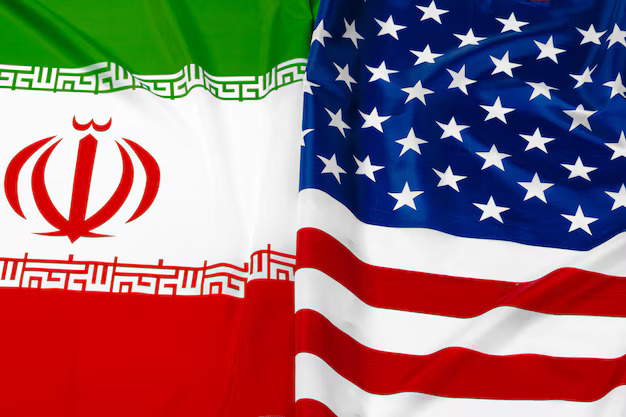
The United States and Iran have successfully negotiated a peace agreement to end nearly four months of conflict in the Middle East, as confirmed by senior officials from both nations. This landmark deal includes an immediate cessation of military activities across all fronts, notably in Lebanon. US President Donald Trump highlighted that the agreement will lead to the reopening of the Strait of Hormuz, a vital global shipping passage, which is anticipated to resume international oil shipments and alleviate pressures on global energy markets. However, there are still discrepancies in statements from both parties regarding the precise timeline for fully restoring access to this critical waterway.
A significant component of the agreement is the anticipated formal signing ceremony scheduled for June 19 in Geneva. It is reported that the deal encompasses the removal of US naval restrictions, alongside measures to reinstate commercial shipping through the Strait of Hormuz. This peace framework is poised to grant Iran enhanced access to international oil markets, potentially providing a much-needed boost to its struggling economy. Following the initial agreement, a 60-day negotiation period is planned to address more intricate issues, such as Iran’s nuclear program, aiming for a broader and more comprehensive settlement.
The agreement arrives amidst heightened tensions in Lebanon, where recent Israeli military actions had cast doubts over the stability of negotiations. Iran maintained that any accord must address all regional conflicts, including those involving Hezbollah in Lebanon. Despite being hailed as a substantial diplomatic success, analysts advise caution, given the ambitious timeline for resolving deeply entrenched disputes. Concerns also linger regarding regional security, particularly pertaining to Iran’s missile program and its support for allied groups across the Middle East.
The reopening of the Strait of Hormuz is projected to have significant positive effects on global energy markets. Nevertheless, experts caution that it may take several months to restore normal shipping operations and repair infrastructure damaged during the conflict. As global stakeholders watch closely, the developments from this agreement are expected to have far-reaching implications for regional and international stability.