
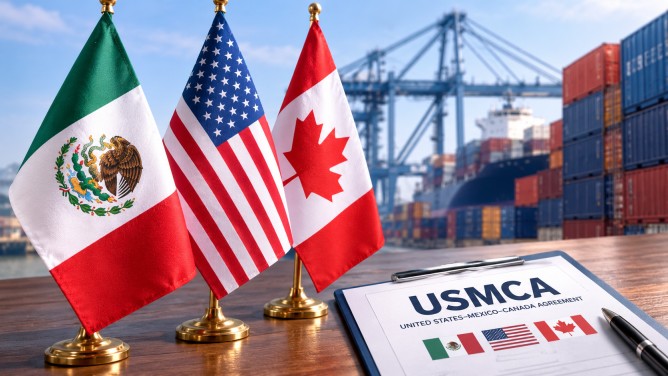
Amid escalating trade tensions between the United States and Canada, Mexico is carefully observing the situation while actively engaging in negotiations concerning tariffs and the future of the United States-Mexico-Canada Agreement (USMCA). The U.S. administration has been conducting separate discussions with both Mexico and Canada, and Mexico is set to participate in another round of talks in Washington this September. Mexican President Claudia Sheinbaum has expressed confidence in the country’s position, emphasizing the importance of ongoing communication and negotiation with the U.S.
Despite the intensifying disagreements between Washington and Ottawa, Mexico and Canada have managed to maintain a cooperative stance. Both countries continue to support the renewal of the USMCA, underscoring their commitment to a collaborative trade relationship within North America. This unity is seen as crucial in the face of the challenges presented by the current trade climate.
The upcoming trade discussions, particularly those focusing on sector-specific tariffs, are poised to be pivotal. The results of these talks could significantly influence the trajectory of trade relations across the continent. Observers are keenly watching how these negotiations will unfold and what impact they might have on the economic ties between these three nations.
Mexico’s strategic approach, underscored by President Sheinbaum’s remarks, highlights the nation’s effort to strengthen its economic links with the U.S. while navigating the complexities of trilateral trade dynamics. The emphasis on dialogue and negotiation reflects Mexico’s aim to secure favorable outcomes from these trade engagements.
As the situation develops, the focus remains on how these negotiations will shape the future of the USMCA and broader North American trade. The resolution of sector-specific tariff issues will be a key factor in determining the stability and growth of economic relations in the region. The coming months will be crucial in defining the path forward for these interconnected economies.