
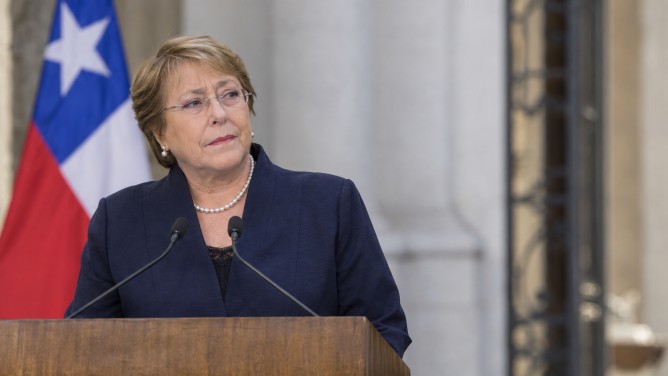
Michelle Bachelet’s withdrawal from the race for United Nations secretary-general has shifted the dynamics of the selection process, leaving the field more open for the remaining candidates. With her departure, the focus intensifies on the remaining seven contenders, including Rebeca Grynspan from Costa Rica, who has emerged as a frontrunner following a recent informal UN Security Council straw poll.
Bachelet, a respected international figure known for her leadership as a two-time president of Chile and her tenure as the UN human rights chief, announced her decision to step back on Saturday. Her campaign, which emphasized the importance of multilateralism and adherence to international law, faced dwindling support in the informal polls conducted among Security Council members.
Her exit from the race underscores the competitive nature of the selection process for the UN’s top position. The Security Council’s recommendation will play a crucial role in determining which candidate will be presented to the 193-member UN General Assembly for the formal election. As it stands, Grynspan’s current lead marks a pivotal moment in her campaign, although the door remains open for other candidates to enter the race.
António Guterres, the current UN secretary-general, is set to complete his second five-year term by the end of December, prompting international attention on who will succeed him. The selection of a new secretary-general is a significant event, influencing the direction of global initiatives and international policy-making at the United Nations.
As the process unfolds, the international community will closely watch the developments within the Security Council and the eventual decision of the General Assembly, which will ultimately shape the leadership and strategic priorities of the UN in the coming years.