
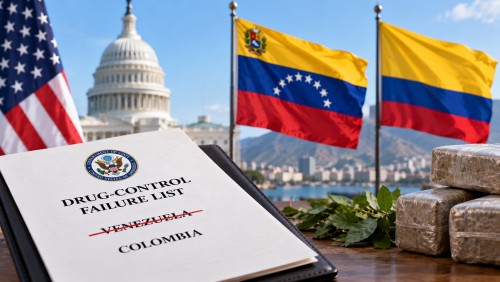
The removal of Venezuela from the United States’ counternarcotics blacklist could open new avenues for cooperation between the two nations in combating drug trafficking. This shift comes as the U.S. acknowledges progress made by Venezuela under interim President Delcy Rodríguez in tackling drug-trafficking organizations.
The U.S. had previously listed Venezuela among countries failing to meet international counternarcotics obligations, but recent developments indicate a positive change in the South American nation’s efforts. This decision by Washington highlights a potential for greater collaboration in the ongoing battle against drug networks across Latin America.
Meanwhile, Colombia remains on the U.S. list of countries that have not sufficiently met their international counternarcotics commitments. President Donald Trump suggested that Colombia could be removed from this list next year if it demonstrates significant improvements in addressing coca cultivation, cocaine production, and trafficking networks.
Colombian officials have expressed their intention to intensify efforts against various stages of the narcotics trade, including targeting illicit crops, production facilities, trafficking routes, and criminal finances. The U.S. administration’s stance indicates that further progress in these areas could result in a reevaluation of Colombia’s current status.
This development underscores the U.S.’s ongoing focus on fostering counternarcotics cooperation with Latin American countries. Both Venezuela and Colombia are still recognized by the U.S. as major drug-transit or illicit drug-producing nations for fiscal year 2027, but Venezuela’s removal from the list marks a significant diplomatic shift.