
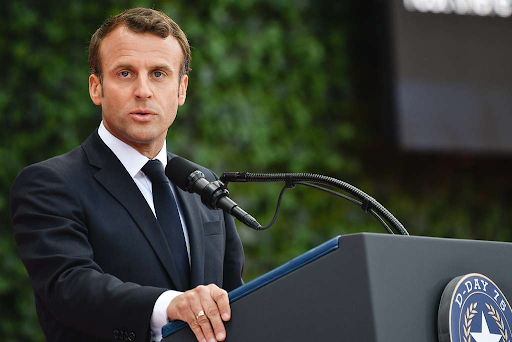
Emmanuel Macron has a gift for the diplomatic insult, and he deployed it to memorable effect at the AI Impact Summit in Delhi. Responding to renewed American criticism of the EU’s AI Act, the French president described those making the criticism as “misinformed friends” — a phrase that managed to be simultaneously cordial and withering. His broader argument was more substantive: Europe is not the enemy of AI innovation, and the evidence suggests it never was.
The Trump administration’s AI adviser had used the Delhi summit to renew his attack on European AI regulation, describing it as hostile to entrepreneurship. It was a predictable move in a predictable debate — except that Macron refused to accept the debate’s terms. Europe innovates, he argued. Europe invests. The AI Act does not prevent either of these things; it requires that they happen within a framework that protects people. The burden of proof, he suggested, should be on those who argue that unregulated technology produces better outcomes for everyone.
The child safety crisis provides his most compelling evidence. Research by Unicef and Interpol published in advance of the summit found that 1.2 million children in 11 countries had been victims of AI deepfake abuse in a single year. One in 25 children in some nations. Macron did not present this as an unfortunate side effect of otherwise beneficial technology. He presented it as a consequence of regulatory failure — a predictable outcome of a system in which platforms and AI developers operate without meaningful accountability.
France’s domestic response is already under way. A ban on social media access for children under 15 is being pursued through legislation, a measure that reflects Macron’s conviction that the problem requires concrete political action rather than further deliberation. Through his G7 presidency, he is seeking to extend this approach internationally, building a coalition of governments prepared to set enforceable standards rather than rely on voluntary codes.
The support he found in Delhi was significant. António Guterres backed him on the global governance argument. Narendra Modi backed him on child safety. Even Sam Altman, the CEO of OpenAI, acknowledged the need for international oversight — though critics would note that acknowledgment and action are very different things. Macron left the summit having made the European case more forcefully than many expected, and having found more international sympathy for it than the American narrative of European regulatory overreach might suggest.