
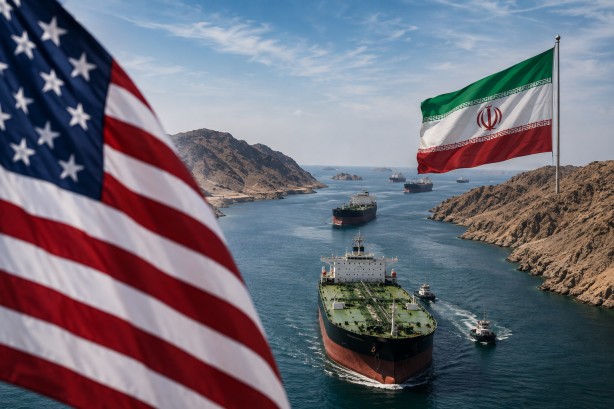
Progress is being made in negotiations between the United States and Iran regarding the reopening of the Strait of Hormuz, with a potential agreement anticipated in the coming days, according to recent statements from U.S. officials. U.S. Treasury Secretary Scott Bessent expressed optimism about reaching a breakthrough soon, noting that ongoing discussions with Tehran are advancing positively. He highlighted that the agreement aims to allow commercial vessels to navigate through this strategic waterway without incurring tolls, thus maintaining freedom of navigation.
Qatar, playing a crucial role as a mediator in these negotiations, confirmed that a de-escalation framework is being shared among the involved parties as diplomatic efforts intensify. The Strait of Hormuz is a vital corridor for global oil and energy shipments, and its operations have been severely disrupted amidst escalating regional tensions. The possibility of an agreement has already led to a decrease in oil prices, and further declines are anticipated if shipping activities return to normal.
In a related development, President Donald Trump recently announced the postponement of planned military action against Iran to facilitate the ongoing negotiations. He emphasized the importance of including provisions for reopening the Strait of Hormuz in any future agreement, alongside measures addressing Iran’s nuclear program. This move signals a strategic pivot towards diplomacy to resolve the escalating situation.
Previously, a tentative understanding between the U.S. and Iran to reopen the strait fell apart due to disagreements over shipping routes, exacerbating tensions between the two nations. Current negotiations are focused on establishing a new accord that not only restores maritime traffic but also contributes to regional stability. The outcomes of these talks are being closely monitored by global markets and political analysts, given the strait’s critical role in international trade.