
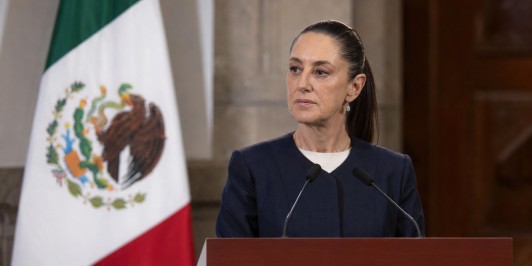
As Mexico and the United States advance toward a new trade agreement, businesses and industries on both sides of the border could soon see significant changes in trade regulations. Mexican President Claudia Sheinbaum announced progress in negotiations following a recent call with U.S. President Donald Trump. This development holds potential implications for sectors heavily reliant on cross-border trade, such as automotive, steel, and aluminum industries.
The conversation between Sheinbaum and Trump, which took place on Wednesday, centered on resolving outstanding trade issues as both nations navigate discussions within the framework of the United States-Mexico-Canada Agreement (USMCA). Sheinbaum described the dialogue as productive, emphasizing that while progress is apparent, a final agreement has not yet been cemented.
Since January 2025, Sheinbaum and Trump have engaged in 22 discussions, with the Mexican president noting that such communications typically become public once concrete agreements are finalized. This latest interaction, however, was strictly focused on trade, deliberately excluding topics like security and drug trafficking, which remain separate in bilateral relations.
The talks underscore ongoing efforts to address controversial tariffs on Mexican automobiles, as well as steel and aluminum products, which are critical components of the USMCA. As negotiations continue, both countries are keen to reach an agreement that will facilitate smoother trade and economic cooperation, potentially affecting tariffs and regulatory policies that currently impact these sectors.
While the discussions mark a positive step forward, the absence of a finalized agreement means industries must remain vigilant and adaptive to forthcoming changes. The outcome of these negotiations will likely influence trade dynamics, economic strategies, and international relations between the neighboring nations.