
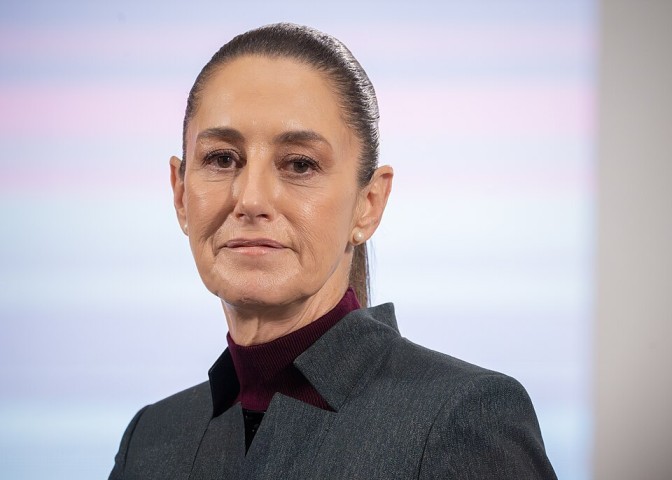
Claudia Sheinbaum, the president of Mexico, is facing increasing pressure following the surrender of two former high-ranking officials from Sinaloa state to U.S. authorities. Gerardo Mérida Sánchez, the state’s former security minister, and Enrique Díaz Vega, the former finance minister, both members of Sheinbaum’s Morena party, have been taken into U.S. custody over alleged connections to the Sinaloa cartel. Mérida was apprehended by U.S. marshals in Arizona, while Díaz was detained in New York. These arrests stem from charges filed last month against ten Sinaloa officials, including Governor Rubén Rocha Moya, accusing them of facilitating the large-scale smuggling of drugs into the United States.
Governor Moya has dismissed these allegations as baseless. Meanwhile, Sheinbaum has insisted on more evidence from U.S. authorities before considering the extradition of the former governor. She remains firm on the issue of national sovereignty, denying any association between her administration and organized crime. “We’re not going to cover for anyone under any circumstances,” Sheinbaum declared, questioning the U.S. focus on Mexico while suggesting they address their own issues, particularly drug consumption and arms trafficking.
With the voluntary surrender of these former officials, analysts suggest this lends credibility to the U.S. Department of Justice’s indictment, which could complicate Sheinbaum’s efforts to shield her party and Rocha Moya, a close ally of her mentor, former president Andrés Manuel López Obrador. Eduardo Guerrero, a Mexican security analyst, noted that the decision to surrender implies the accusations are substantial. Additionally, both former officials are likely to provide evidence against Rocha Moya, potentially bolstering the U.S. case.
Recent developments have strained Sheinbaum’s relationship with Washington, despite previous cooperation such as deploying troops to the border at former President Trump’s request and extraditing nearly 100 cartel members. However, revelations of CIA operations in Mexico without government awareness have heightened tensions. Former Mexican ambassador to the U.S., Arturo Sarukhán, suggests that Sheinbaum’s strategy of delay may soon be untenable, as more officials could seek deals with U.S. law enforcement, leading to unpredictable disclosures.
The situation is expected to escalate, with the U.S. looking to intensify actions against Mexican officials linked to cartels. Terry Cole, the DEA administrator, recently indicated before the U.S. Senate that Rocha’s indictment is merely the beginning. Furthermore, the New York Times reported on a directive from the Trump administration urging the use of terrorism laws against corrupt Mexican officials. This directive, attributed to associate deputy attorney general Aakash Singh, emphasizes targeting those enabling criminal activities. Sarukhán warns of a precarious scenario, likening the unfolding events to a chain reaction of falling dominoes.