
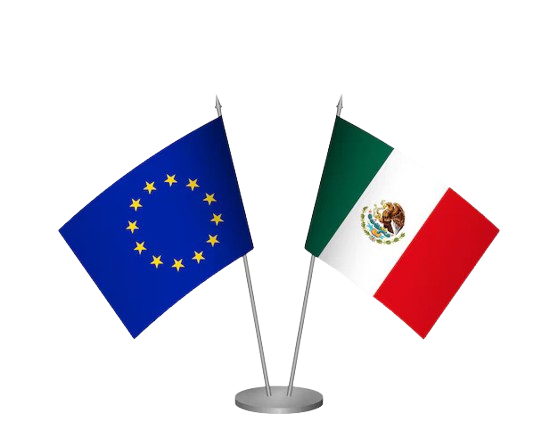
In a strategic move to diversify economic ties beyond the United States, Mexico and the European Union have finalized an updated trade agreement. This revised pact, which significantly lowers tariffs and enhances economic cooperation, seeks to mitigate the impacts of U.S. tariff policies introduced during President Donald Trump’s administration. By modernizing a trade deal that has been in place since 2000, the agreement aims to dismantle existing barriers to trade and investment, thereby facilitating better market access and fortified supply chains between Mexico and Europe.
The automotive industry, particularly auto parts, is a central focus of this agreement, given the pressures from recent U.S. tariff measures. The updated deal promises lower tariffs and expanded duty-free access for a range of products, including pasta, chocolate, potatoes, canned peaches, eggs, and certain poultry items. This initiative is designed to bolster both economies by encouraging more robust trade in these sectors.
In addition to these economic benefits, Mexico has agreed to acknowledge protected European regional food products such as Parma ham and Roquefort cheese, which is expected to enhance European agricultural exports. This recognition aligns with the broader goal of the agreement to promote competitive participation in global markets for both regions.
Mexican President Claudia Sheinbaum highlighted the importance of exploring new avenues for trade and investment, reflecting a strategic shift towards broadening economic horizons. Meanwhile, European leaders have hailed the agreement as a vital opportunity for their economies to more effectively compete on the global stage.
Currently, the European Union stands as Mexico’s third-largest trading partner, following the United States and China. Officials on both sides express optimism that the updated agreement will foster stronger economic ties and attract increased investment between Europe and North America, ultimately benefiting both regions’ economic landscapes.